FIELD NOTES / SOUTHERN CALIFORNIA
Joshua Tree stargazing: a first-night plan that makes sense
Pick a goal, research a permitted stop, and leave room for the desert to change your plans.
LOCAL REALITY · OFFICIAL SOURCES CHECKED OCTOBER 1, 2026
Choose the kind of night you want
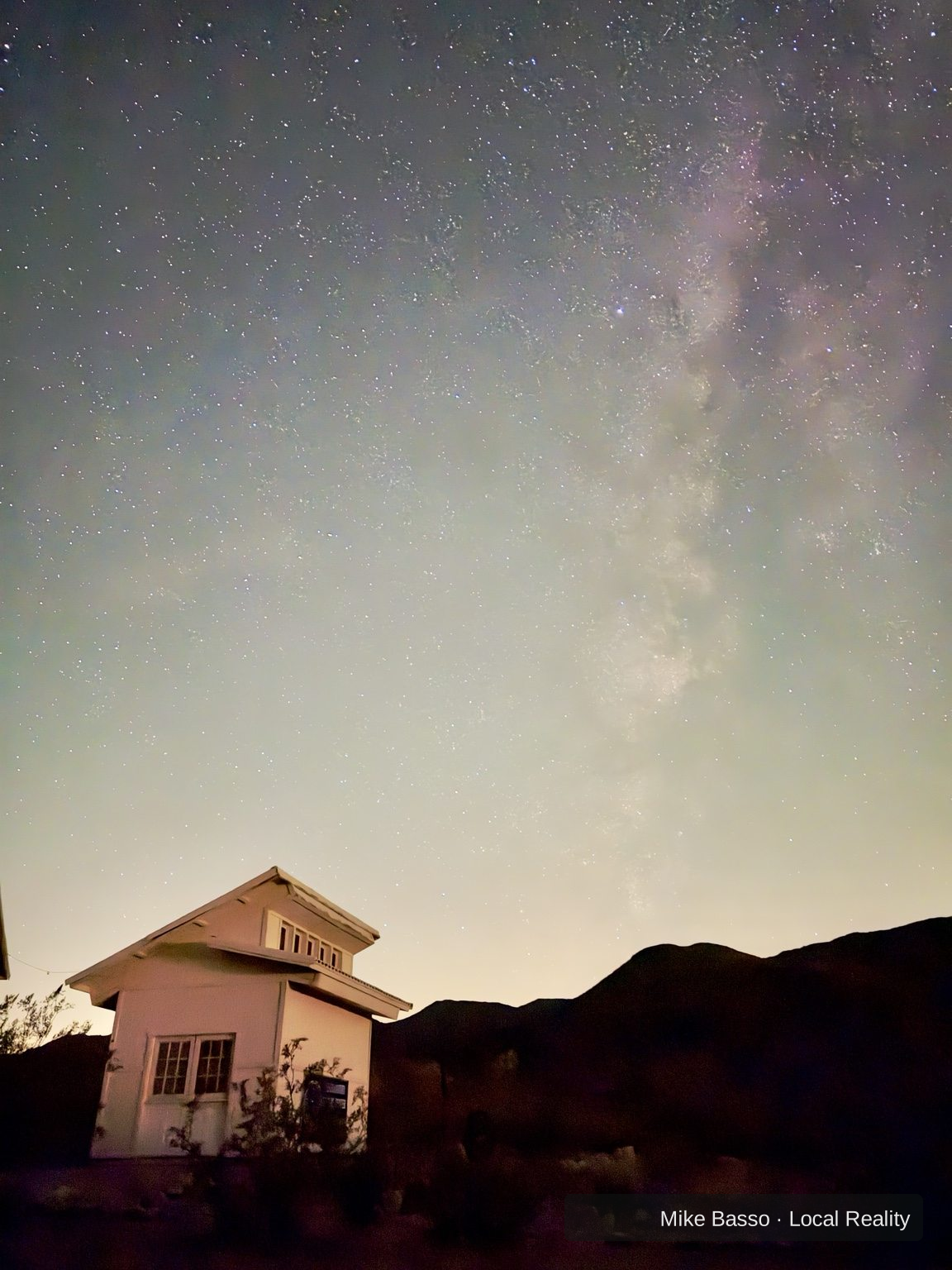
You do not need a telescope to make the trip worthwhile. Start with one aim: looking at the Moon, finding a few constellations, or seeing fainter stars. Those are different outings. A bright Moon gives the landscape character while washing out faint sky detail. A moonless window helps with the Milky Way, but the season, hour, clouds and target position still matter. A dark calendar square is not a promise of a particular view.
The park’s official stargazing activity guide explains that surrounding communities affect different areas differently. Give yourself time to look rather than trying to reproduce a long-exposure photograph immediately. Read Moon or Milky Way before picking your date.
Start with the four designated parking areas
NPS names the parking lots at Quail Springs, Hidden Valley, Cap Rock and Ryan Mountain as designated stargazing areas. These are useful places to research for a first outing; this page does not verify open roads, available spaces or suitability for your vehicle tonight. Use the park’s stargazing page alongside an official map, and follow posted restrictions when you arrive.
For stargazing from these lots or roadside pullouts, NPS instructs visitors to stay awake and within 20 feet of their vehicle. Do not turn a viewing stop into a night hike because a darker patch looks tempting. Keep chairs out of traffic and vegetation. If the planned stop is full or restricted, use a permitted alternative or leave; a shoulder is not automatically a parking space.
Check the trip, not just the sky
Before departure, open NPS alerts and conditions, including the linked closure map. Check the forecast for your intended area and observing hours: temperature, wind, cloud cover, precipitation and relevant alerts. The park spans very different elevations, so a forecast for one point is not a guarantee elsewhere. Repeat the check shortly before leaving. If conditions become uncomfortable or access is uncertain, postpone.
Put a U.S. city or ZIP into the free night planner to compare darkness and Moon timing. Treat its location suggestions as research leads. It does not inspect roads, reserve parking, or guarantee clear skies.
Pack for the part after sunset
The first-time visitor guide warns of limited phone reception and no fuel, food shops or water in the park interior. Bring supplies, fill up beforehand, and download your map while connected. Save the route home too. Leave someone your destination and expected return.
Warm layers, closed-toed shoes, a chair and a dim red light do more for a first outing than an expensive shopping list. Bring water, food and a charged phone; keep the phone available for emergencies without repeatedly lighting up the viewing area. Our beginner gear guide separates essentials from upgrades.
Let the darkness do its job
NPS night-sky etiquette asks visitors to avoid white lights and protect their eyes’ roughly 20–30-minute adjustment. Put bright screens away, keep noise down and give other observers room. A camera display can spoil your own adjustment as easily as a flashlight.
Stargazing is not roadside camping
Parking lots and roadsides are not overnight camping sites. Day-use-only areas close from dusk to dawn. If you want to sleep in the park, arrange a legitimate campsite separately and check its rules. Finish the evening while you are still alert enough to drive.
Independent planning guide. NPS does not endorse Local Reality. Rules and conditions can change; linked official information and posted restrictions take precedence.